

Research Glossary
A comprehensive reference of 49 key terms used in peptide science. From amino acids to vial handling, find clear definitions with links to related compounds and articles.
Showing 49 of 49 terms
5-Amino-1MQ
ProductA small molecule inhibitor of NNMT (nicotinamide N-methyltransferase). By blocking NNMT activity, it influences NAD+ levels in adipocytes and shifts their metabolic profile. Published research has explored its interaction with the NAD+ salvage pathway.
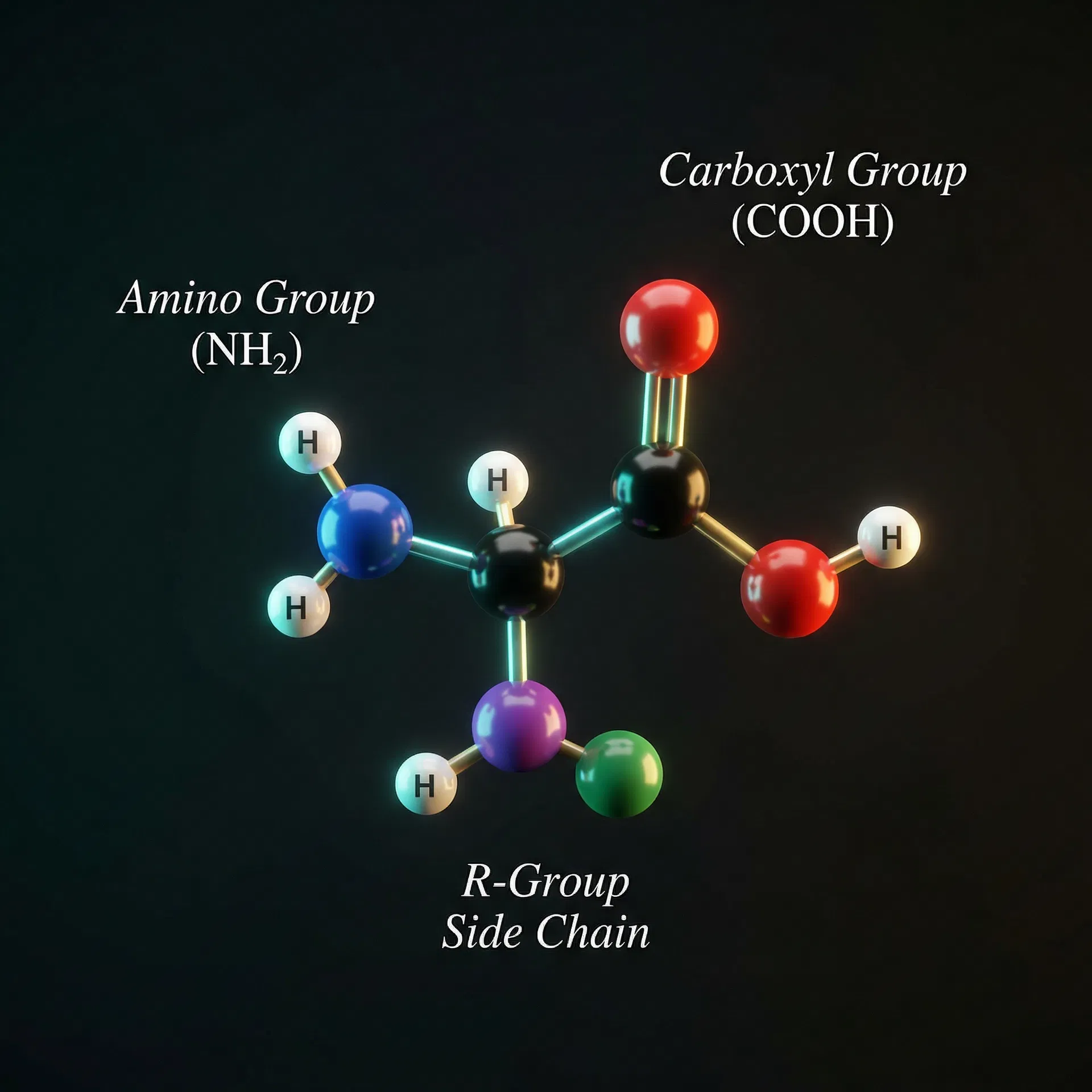
Amino Acid
BiologyThe fundamental building blocks of peptides and proteins. There are 20 standard amino acids, each with a unique side chain that determines its chemical properties. Amino acids are linked together by peptide bonds to form chains — short chains (2–50 amino acids) are called peptides, while longer chains are proteins.
Anabolic
BiologyRelating to the metabolic process of building complex molecules from simpler ones, typically associated with tissue growth. Many peptides, particularly growth hormone secretagogues like Ipamorelin and CJC-1295, interact with anabolic pathways including protein synthesis and collagen production.
Bacteriostatic Water (BAC Water)
TechniqueSterile water containing 0.9% benzyl alcohol as a preservative. It is the standard solvent for reconstituting lyophilized peptides in laboratory settings. The benzyl alcohol inhibits bacterial growth, allowing the reconstituted solution to remain stable for extended periods when refrigerated.
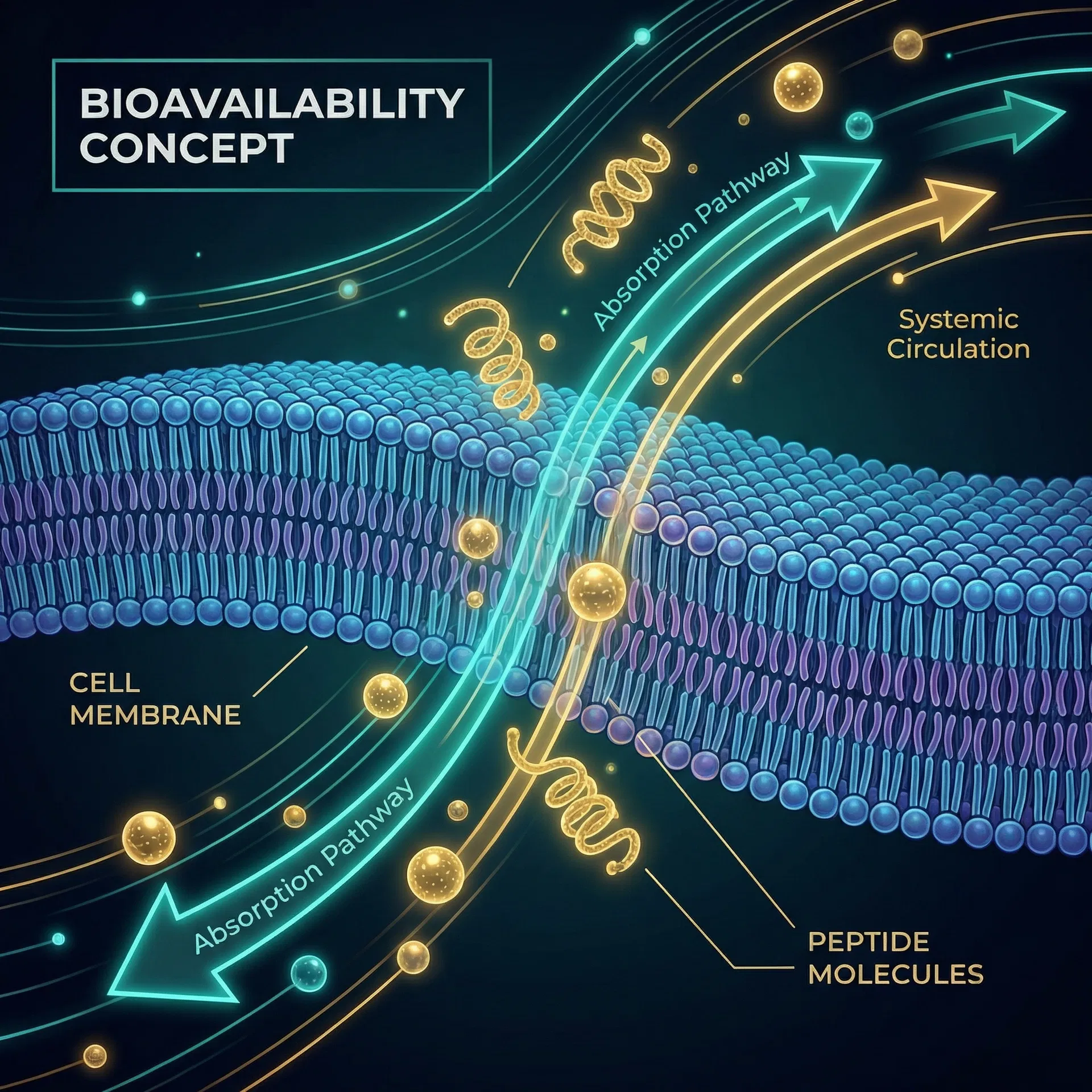
Bioavailability
BiologyThe proportion of a substance that enters systemic circulation and is available to interact with its target. Different administration routes yield different bioavailability profiles, which is a key consideration in pharmacokinetic research.
Biomarker
BiologyA measurable indicator of a biological state or condition. In peptide research, biomarkers such as IGF-1 levels, inflammatory markers (CRP, IL-6), telomere length, and NAD+ levels are used to assess the molecular effects of various compounds in preclinical studies.
BPC-157 (Body Protection Compound-157)
ProductA 15-amino acid synthetic peptide derived from a protein found in human gastric juice. It is one of the most extensively studied peptides in preclinical literature, with over 100 peer-reviewed publications characterizing its molecular interactions with VEGF receptors, NO pathways, and growth factor signaling cascades.
CJC-1295
ProductA synthetic analog of growth hormone-releasing hormone (GHRH) with a 30-amino acid sequence. The DAC (Drug Affinity Complex) version binds to albumin, extending its half-life to approximately 6–8 days. It interacts with GHRH receptors on the pituitary gland to influence pulsatile growth hormone signaling.
Collagen Synthesis
BiologyThe biological process of producing collagen, a primary structural protein in mammals. Peptides like GHK-Cu have been documented in published research to interact with gene expression pathways involved in collagen production and extracellular matrix remodeling.
Copper Peptide
ChemistryA peptide complex that incorporates a copper ion (Cu²⁺) into its structure. GHK-Cu is the most well-known copper peptide, naturally occurring in mammalian plasma. Published research documents its interaction with over 4,000 genes involved in tissue remodeling and extracellular matrix regulation.
Cyclic Peptide
ChemistryA peptide whose amino acid chain forms a ring structure through a bond between the N-terminus and C-terminus or through side-chain linkages. Cyclic peptides often have enhanced stability and bioavailability compared to their linear counterparts, making them valuable in pharmaceutical research.
Cytokine
BiologySmall signaling proteins released by cells that regulate immune responses and cell communication. Peptides like KPV and Thymosin Alpha-1 have been documented to modulate cytokine production in preclinical studies, interacting with inflammatory signaling pathways.
Epithalon (Epitalon)
ProductA synthetic tetrapeptide (Ala-Glu-Asp-Gly) based on the natural peptide epithalamin produced by the pineal gland. Published research documents its interaction with telomerase, the enzyme responsible for maintaining telomere length. It is one of the most studied compounds in telomere biology.
GHK-Cu (Glycyl-L-Histidyl-L-Lysine Copper)
ProductA naturally occurring tripeptide-copper complex endogenously found in mammalian biological fluids. Its concentration declines significantly with age (from ~200 ng/mL at age 20 to ~80 ng/mL at age 60). Published research documents GHK-Cu's interaction with over 4,000 genes involved in tissue remodeling and antioxidant defense.
Glutathione
ProductA tripeptide (glutamate-cysteine-glycine) that is a primary endogenous thiol antioxidant in biological systems. It participates in free radical neutralization, Phase II detoxification, and the regeneration of vitamins C and E. It is a fundamental molecule in redox biology.
Growth Hormone Secretagogue (GHS)
BiologyA class of compounds that interact with the pituitary gland to influence growth hormone signaling. Unlike synthetic HGH, secretagogues interact with the organism's natural pulsatile GH release pattern. Examples include Ipamorelin, CJC-1295, and Tesamorelin, all of which are subjects of active research.
Half-Life
ResearchThe time required for the concentration of a substance to decrease by half. Understanding a peptide's half-life is crucial for pharmacokinetic modeling. For example, Ipamorelin has a short half-life (~2 hours), while CJC-1295 with DAC has a half-life of ~6 days due to albumin binding.
IGF-1 (Insulin-like Growth Factor 1)
BiologyA hormone structurally similar to insulin that mediates many of growth hormone's downstream effects. It interacts with cell growth, differentiation, and survival pathways. IGF-1 LR3 is a modified version with an extended half-life (~20 hours vs ~15 minutes for native IGF-1).
Immunomodulator
BiologyA substance that modifies or regulates the immune system's response. Immunomodulatory peptides like Thymosin Alpha-1 and KPV can interact with immune signaling pathways to influence immune activity depending on context, as documented in published preclinical research.
Ipamorelin
ProductA selective growth hormone secretagogue pentapeptide that interacts with the ghrelin receptor (GHS-R1a). Unlike other GH secretagogues, Ipamorelin does not significantly affect cortisol or prolactin levels in published studies, making it one of the most selective ghrelin mimetics characterized in the literature.
KPV (Lysine-Proline-Valine)
ProductA tripeptide derived from alpha-melanocyte-stimulating hormone (α-MSH). Published research documents its interaction with NF-κB signaling pathways. It is one of the smallest bioactive peptide sequences characterized in the scientific literature.
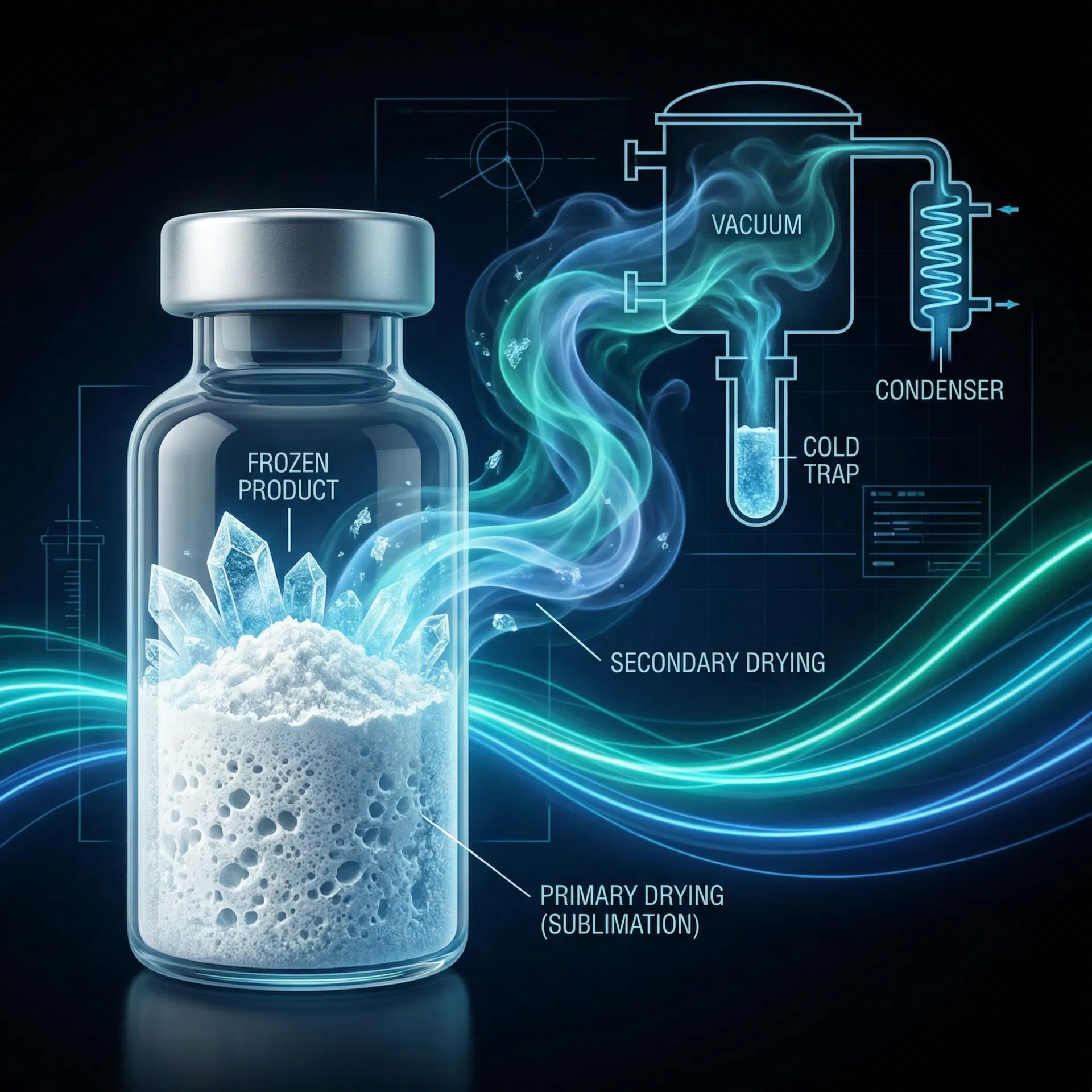
Lyophilization (Freeze-Drying)
TechniqueA dehydration process used to preserve peptides by freezing the solution and then reducing pressure to allow frozen water to sublimate directly from solid to gas. This produces a stable, dry powder (lyophilized cake) that can be stored for extended periods without degradation. Most research peptides are shipped in lyophilized form.
Melanotan II
ProductA synthetic analog of alpha-melanocyte-stimulating hormone (α-MSH) that activates melanocortin receptors (MC1R-MC5R). It is a non-selective melanocortin receptor agonist, with published research documenting its interaction with melanogenesis pathways and MC4R-mediated signaling.
Mitochondria
BiologyOrganelles within cells responsible for producing ATP (adenosine triphosphate), the primary energy currency of the cell. Mitochondrial function is a major area of biological research, with compounds like SS-31 and NAD+ being studied for their interaction with mitochondrial electron transport chain components.
MOTS-c
ProductA mitochondria-derived peptide encoded within the mitochondrial genome. It interacts with the AMPK energy-sensing pathway. Published research characterizes MOTS-c as one of several mitochondrial-derived peptides (MDPs) with documented roles in metabolic signaling.
NAD+ (Nicotinamide Adenine Dinucleotide)
ProductA coenzyme present in every living cell that is essential for energy metabolism, DNA repair, and gene expression regulation. NAD+ participates in over 500 documented enzymatic reactions and serves as a substrate for sirtuins, PARPs, and CD38 enzyme families. NAD+ levels are documented to decline with age.
Neuropeptide
BiologyA peptide that acts as a neurotransmitter or neuromodulator in the nervous system. Neuropeptides like Semax and Selank interact with cognitive pathways, mood regulation, and neuroplasticity mechanisms. They are a focus of neuroscience research for their documented interactions with BDNF and GABAergic systems.
Nootropic
ResearchA substance studied for its interaction with cognitive pathways, including memory, focus, and neuroplasticity. Peptide nootropics like Semax and Selank work through mechanisms such as BDNF upregulation and neurotransmitter modulation, as documented in published research.
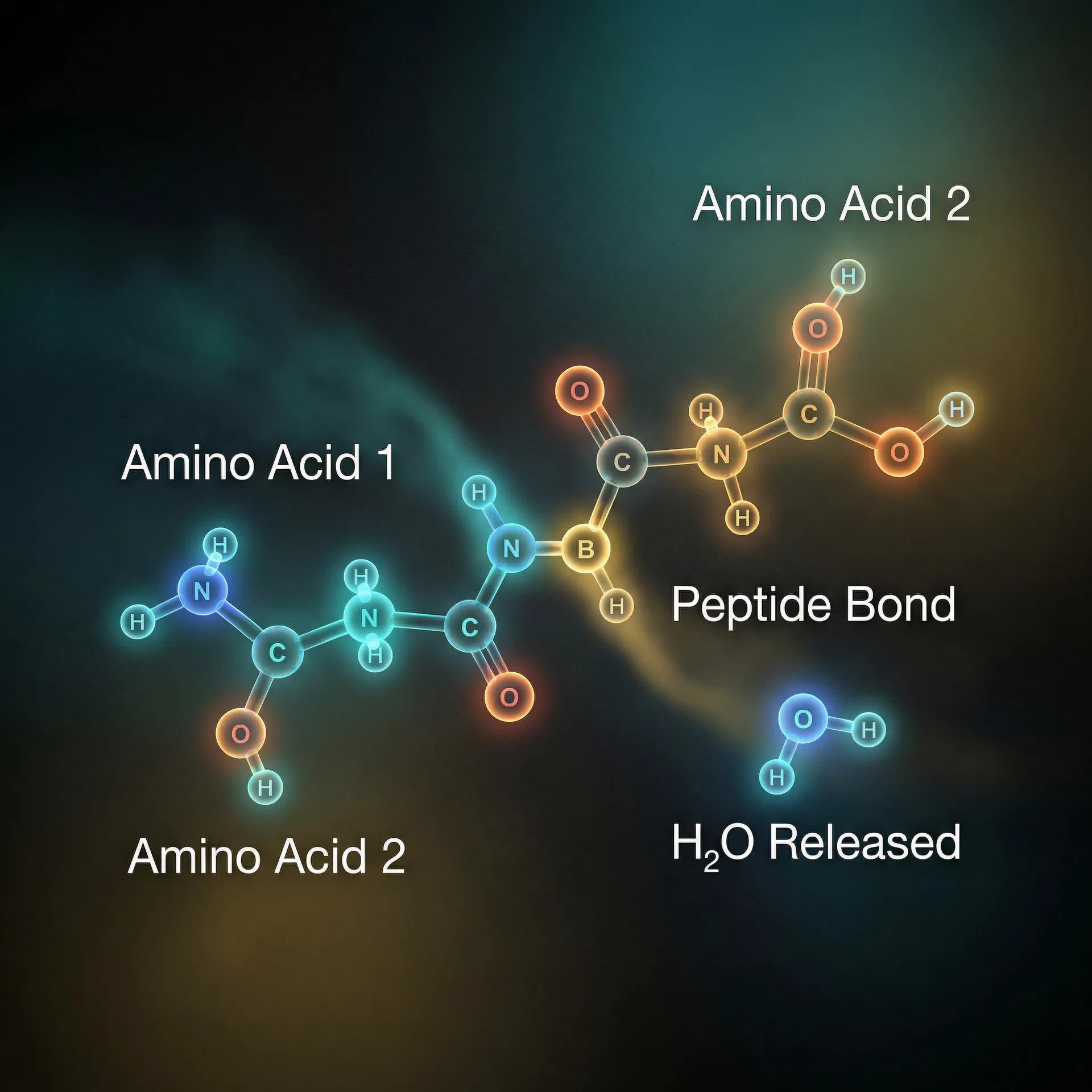
Peptide Bond
ChemistryA covalent chemical bond formed between two amino acids when the carboxyl group of one reacts with the amino group of another, releasing a molecule of water (condensation reaction). Peptide bonds are the backbone of all peptides and proteins, and their stability determines the peptide's structural integrity.
Peptide Kitting
ResearchThe practice of combining two or more peptides in a research context to study potential synergistic interactions. Combinations are designed based on complementary mechanisms of action — for example, BPC-157 + TB-500 interact through different molecular pathways, or Ipamorelin + CJC-1295 target different aspects of GH signaling.
Pituitary Gland
BiologyA pea-sized endocrine gland at the base of the brain that produces and regulates hormones including growth hormone, ACTH, and TSH. Growth hormone secretagogues like Ipamorelin and CJC-1295 interact with pituitary receptors to influence natural GH release in a pulsatile pattern.
PT-141 (Bremelanotide)
ProductA synthetic peptide analog of alpha-MSH that activates melanocortin receptors (primarily MC3R and MC4R) in the central nervous system. Unlike PDE5 inhibitors, PT-141 works through the nervous system rather than the vascular system, making it unique in its mechanism of action.
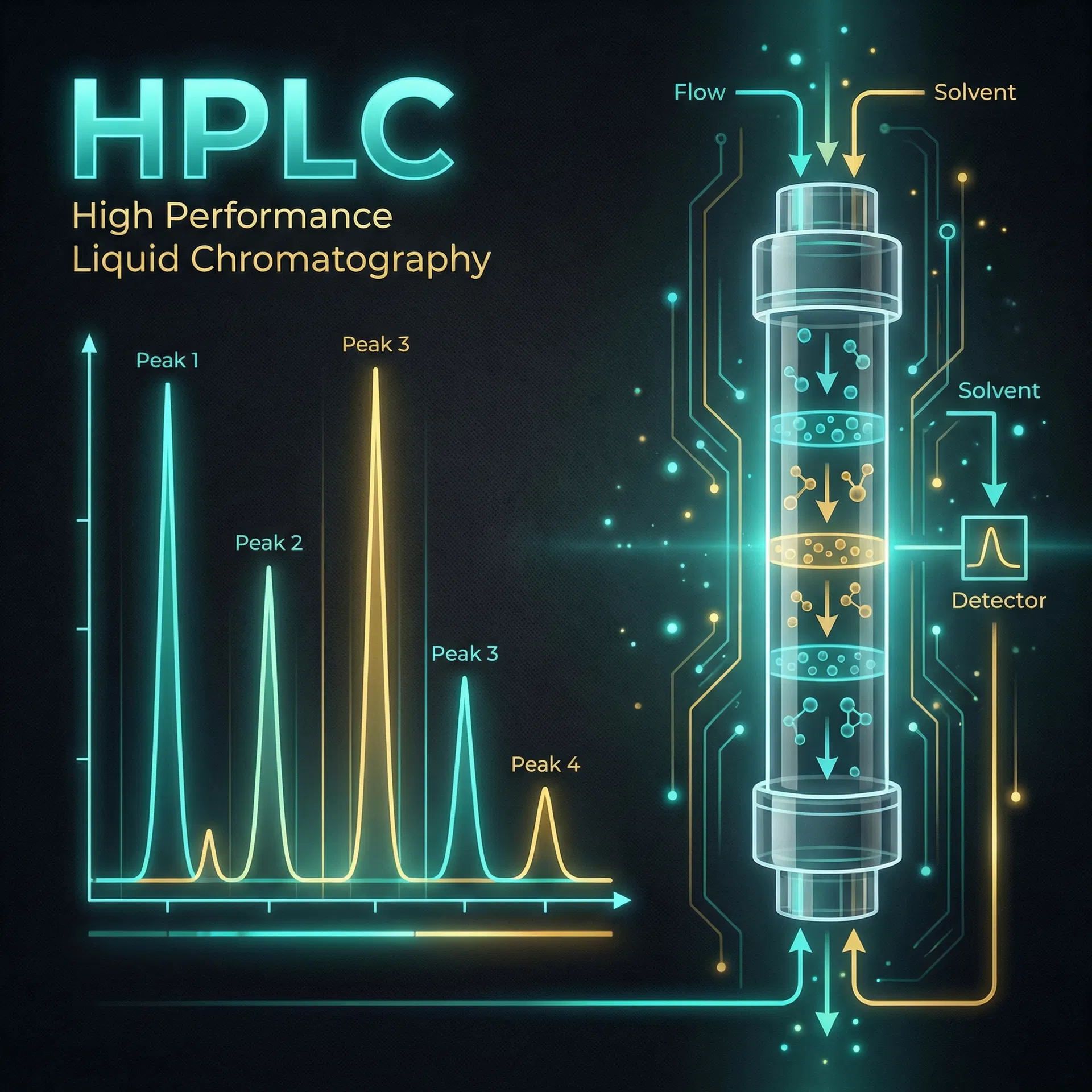
Purity (HPLC)
TechniqueA measure of a peptide's chemical purity, typically determined by High-Performance Liquid Chromatography (HPLC). Research-grade peptides should have ≥98% purity. Alpha Aminos peptides are certified at 99%+ purity, with third-party Certificates of Analysis (COA) available for every batch.
Receptor
BiologyA protein molecule on the surface of or inside a cell that binds to specific substances (ligands) and triggers a cellular response. Peptides exert their effects by binding to specific receptors — for example, Ipamorelin binds to the ghrelin receptor (GHS-R1a), while BPC-157 interacts with growth factor receptors.
Reconstitution
TechniqueThe process of dissolving a lyophilized (freeze-dried) peptide powder in a sterile solvent, typically bacteriostatic water. Proper reconstitution in laboratory settings involves slowly adding the solvent along the vial wall and gently swirling (never shaking) to preserve the peptide's molecular structure.
Retatrutide
ProductA triple-agonist peptide that activates GLP-1, GIP, and glucagon receptors simultaneously. This multi-receptor approach interacts with metabolic signaling from multiple angles. It is the subject of significant research interest in incretin pathway pharmacology.
Selank
ProductA synthetic heptapeptide analog of the naturally occurring immunomodulatory peptide tuftsin. Developed at the Institute of Molecular Genetics in Russia, Selank has documented interactions with GABAergic and monoaminergic systems, as well as BDNF and serotonin expression pathways.
Semax
ProductA synthetic heptapeptide derived from ACTH (adrenocorticotropic hormone) fragments 4–10. Developed in Russia, it has documented interactions with BDNF upregulation, dopamine and serotonin modulation, and neuroprotective mechanisms. It does not produce the hormonal effects of full-length ACTH.
Sirtuin
BiologyA family of seven proteins (SIRT1–SIRT7) that regulate cellular processes including DNA repair, metabolism, and gene expression. Sirtuins require NAD+ as a cofactor, which is why NAD+ is closely studied in sirtuin biology and cellular aging research.
SS-31 (Elamipretide)
ProductA mitochondria-targeted tetrapeptide that concentrates in the inner mitochondrial membrane, interacting with cardiolipin and electron transport chain components. Published research documents its selective accumulation in the mitochondrial compartment.
Subcutaneous Administration
TechniqueAdministration into the fatty tissue layer between the skin and muscle. This is a common administration route studied in peptide pharmacokinetics, offering distinct absorption profiles compared to other routes. It is a standard technique in laboratory research settings.
Synergy
ResearchIn peptide research, synergy refers to the combined effect of two or more compounds being greater than the sum of their individual effects. For example, BPC-157 and TB-500 interact through different molecular mechanisms that may complement each other, as documented in preclinical studies.
TB-500 (Thymosin Beta-4)
ProductA 43-amino acid synthetic version of the naturally occurring peptide Thymosin Beta-4. It is one of the most studied actin-sequestering proteins in cell biology, with documented roles in cell migration, blood vessel formation (angiogenesis), and extracellular matrix remodeling.
Telomerase
BiologyA ribonucleoprotein enzyme that adds telomeric DNA repeats to the ends of chromosomes, counteracting the natural shortening that occurs during cell division. Telomerase interaction is a key area of study in cellular biology, with Epithalon being the most studied peptide in this context.
Telomere
BiologyProtective caps at the ends of chromosomes that shorten with each cell division. Telomere length is considered a biomarker of biological aging — shorter telomeres are associated with cellular senescence. Epithalon is studied for its documented interaction with telomerase, the enzyme that maintains telomere length.
Tesamorelin
ProductA synthetic analog of growth hormone-releasing hormone (GHRH) consisting of 44 amino acids with a trans-3-hexenoic acid modification. It interacts with GHRH receptors to influence natural GH signaling without suppressing the body's own GHRH axis. It is one of the most extensively studied GHRH analogs.
Thymosin Alpha-1
ProductA 28-amino acid peptide naturally produced by the thymus gland that plays a central role in immune system maturation and regulation. Published research documents its interaction with T-cell function, natural killer cell activity, and dendritic cell maturation pathways.
Upregulation
BiologyAn increase in the number or sensitivity of cellular receptors or the expression of specific genes in response to a stimulus. Many peptides interact with upregulation pathways — for example, GHK-Cu has been documented to upregulate collagen synthesis genes, and Semax upregulates BDNF expression.
Vial
TechniqueA small glass container used to store lyophilized peptides. Research peptide vials are typically sealed with a rubber stopper and aluminum crimp cap to maintain sterility. Proper laboratory technique requires swabbing the stopper with an alcohol wipe before accessing the contents.